

Reducing Summer Risks: Water Safety and Seasonal Precautions
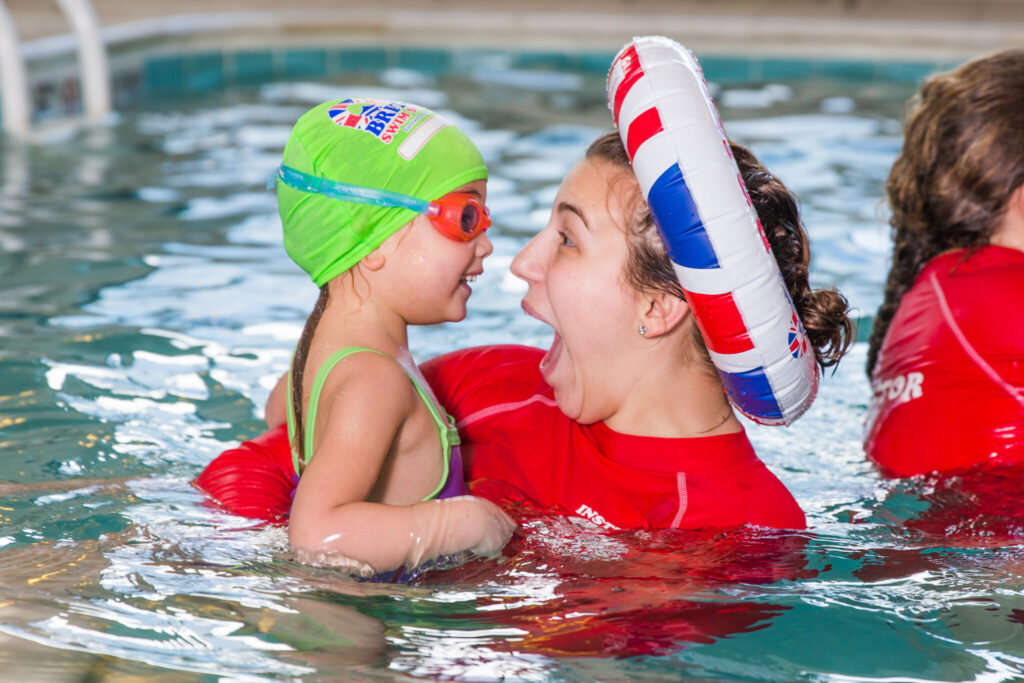
British Swim School
Summertime means family adventures: playing at a park, biking a beautiful trail or heading to the beach. While the season is excellent for freedom and fun, it can expose your family to new or unexpected risks. Refresh yourself on how to help your family stay safe this summer and beyond with these tips.
Understand water wisdom.
Make learning to swim a priority.
More children ages 1-4 die from drowning than any other cause of death, and drowning is the second leading cause of death for children ages 5-14, according to Centers for Disease Control and Prevention.
“Swimming is a critical life skill, but it’s viewed as an extracurricular. Start lessons and start now. You can never start too early or too late,” says Tamara Sam, owner and swim safety advocate at British Swim School of Alpharetta.
Swim lessons can reduce drowning risk for ages 1-4 by 88%, according to National Drowning Prevention Alliance. The American Academy of Pediatrics recommends swim lessons can start at age 1. Water play classes for infants and toddlers gets kids used to water.
“Talk honestly with your child about swimming safety and why it’s important to learn how to swim,” says Marci Dever, coach and owner of MarciSwim. “Make it relatable to something else: ‘Potty training was hard, but now, you don’t have to wear diapers. Wearing a seatbelt is necessary to keep you safe. Learning to swim is hard, but you can do hard things. We’re going to have a great time, and we’ll all be safe.’”
Act as a supervisor.
Drowning can happen quickly and quietly, as a drowning person will last only 20-60 seconds before submerging. While it’s best to swim in a lifeguarded area, lifeguards are watching everyone at the venue, so it’s necessary for you to keep your eyes on your child.
“Designate a specific water watcher,” Sam says. “Groupthink mentality is when accidents happen. We want to make sure that we share water safety responsibly.” British Swim School offers a downloadable water watcher badge for outings. Switch out shifts and make sure the new water watcher acknowledges the responsibility.
Keep beginner swimmers within arm’s reach and stronger swimmers within eye’s reach. Do not give a child the responsibility of taking care of another kid.
Install proper barriers and alarms.
Home pools should have fencing with self-closing, self-latching gates, covers and alarm systems. Remind your kids that near or on pools are not places to play, and they should never climb gates or fences.
Check for safety concerns in a new space. “Pause and scan each new space, whether it’s a rental home, hotel or friend’s house,” says Amanda Batlle, a doctor of nursing practice, primary care pediatric nurse practitioner and board-certified nursing professional development specialist at Children’s Healthcare of Atlanta Strong4Life. “Look for easy access to water, unsecured stairs, exposed electrical outlets and the presence of working smoke and carbon monoxide detectors.”
Wear the right safety equipment.
Helmets are essential for any sport, whether it’s biking or a motorized water sport.
“Helmets significantly reduce the risk of serious head and brain injuries,” Batlle says. “They should be worn correctly, ensuring they fit and are the right helmet for the right activity. Involving children in safety planning builds confidence and makes them much more likely to follow the rules. Let them choose or decorate their helmet, teach them how to check for proper helmet or life jacket fit, or turn buckling up into a game.”
Remind your child to check his bike, skateboard or scooter before riding for any loose or broken parts. Along with helmets, protective gear, such as knee or elbow pads, can help prevent injury.
Georgia law requires children younger than 13 wear a life jacket on a boat, unless the child is within a fully enclosed, roofed cabin. Ensure the life jacket is U.S. Coast Guard approved.
Floaties are not life jackets. “Floaties and goggles can offer a false sense of security, and children can get into dangerous situations,” Dever says.
Beat the heat.
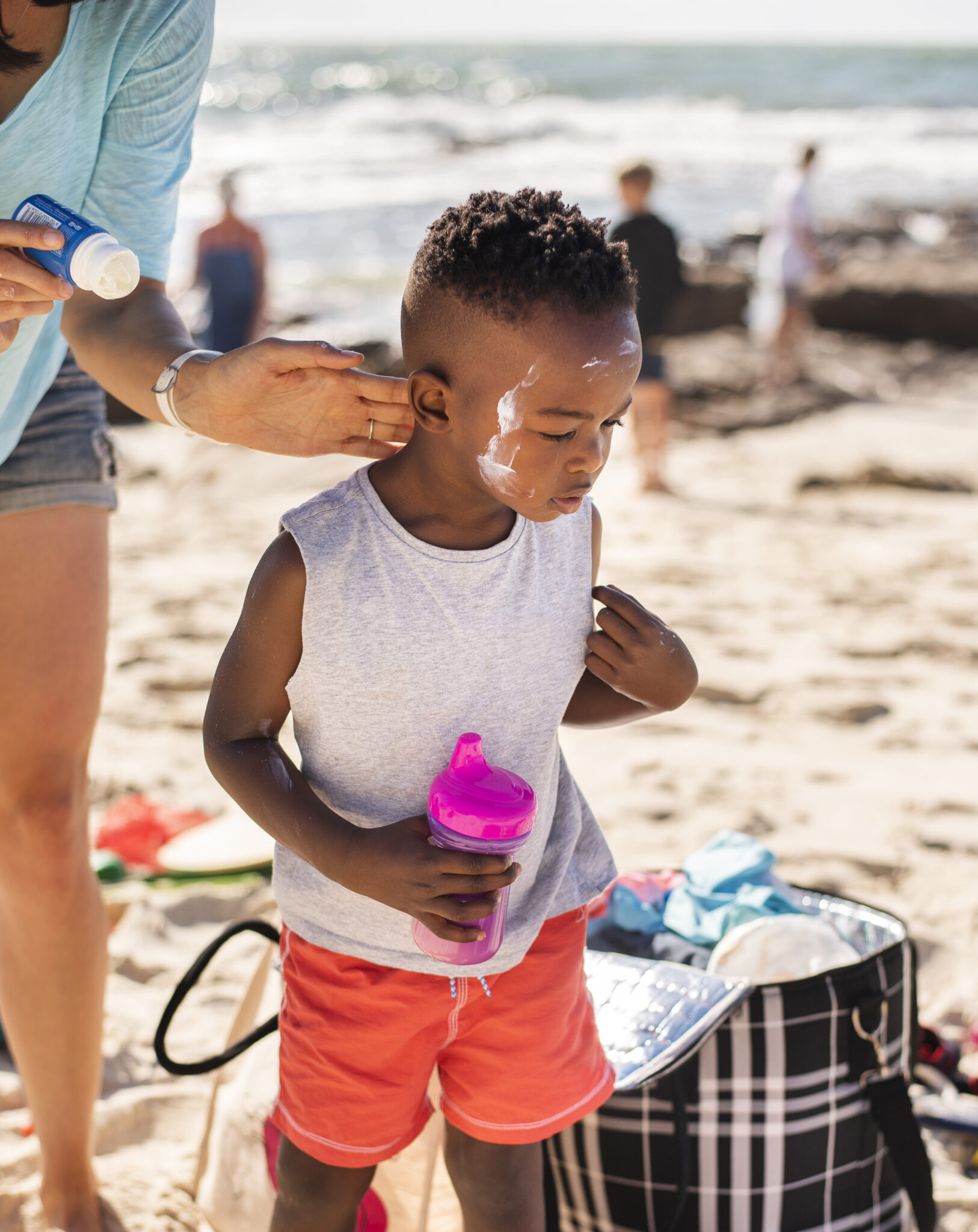
The humidity and temperatures in metro Atlanta can be intense during the summer. Pack and regularly apply sunscreen on all exposed skin. Hats, visors and shirts can prevent overexposure.
“All children, regardless of skin tone, need sun protection, including sunscreen, protective clothing and shade, even when the sun doesn’t feel intense,” Batlle says. “Ultraviolet rays penetrate clouds, and sun damage can occur even on overcast days.”
Have water readily available. Children don’t have a pronounced feeling of thirst, so make sure to schedule regular water and cooldown breaks.
While the majority of playground injuries are caused by falls, pay attention to the equipment as well. If it is hot to the touch, it is too hot for your child’s bare skin.
Keep in mind routine changes can unintentionally increase the risk of hot car deaths in children. The brain may default to autopilot, causing a caregiver to unknowingly and unintentionally forget a child in the back seat. Young children are most vulnerable, because they may be quiet or asleep and out of view,” Batlle says. “Use simple, consistent reminders, like leaving something next to the car seat, such as a work bag, phone or shoe.”
Start a dialogue.
More freedom during the summer can allow kids to experience situations they haven’t encountered before. Have conversations about how to address peer pressure, safety concerns and more. Talk honestly with your children, especially older kids and teens, as peer pressure may affect their summer fun. Give them permission to blame you. Batlle recommends scripts like: “My mom will ground me if she sees me without a helmet,” or “Our pediatrician is really strict about this.”
Don’t be afraid to talk with others. “Conversations about safety with other parents, caregivers, teachers and friends can feel uncomfortable, but it’s essential. While people may worry about offending others, the more openly we talk about safety, the less taboo these discussions become,” Batlle says. “These conversations not only protect kids in the moment, they also model the importance of safety for our children and help build a stronger culture of prevention across families and communities in the Atlanta area.”
No one safety measure will prevent your child from ever being hurt, but protections can work together to mitigate risk.