
It’s All Fun: Play-Based Learning for Preschoolers

Play is more than just fun for preschoolers. It’s one of the most important and natural ways they learn. Through play, young children explore the world, build social skills, gain confidence and develop fine and gross motor skills.
When children play, they are actively learning without even realizing it. Building with blocks helps develop problem-solving and early math skills. Pretend play, like playing house or store, supports language development and social skills. Simple games teach children how to take turns, follow rules and work with others. Climbing a playground structure deepens gross motor skills.
Whether at preschool or at home, little ones are constantly on the move and learning as they go. In a classroom, teachers support play-based learning by carefully planning the environment and observing children as they play.
Teachers ask questions, introduce new ideas and offer gentle guidance to extend learning. For example, a teacher might ask, “How many blocks did you use?” or “What do you think will happen next?”
Play-based learning is successful because it allows children to learn at their own pace. It encourages creativity, curiosity and independence. Most importantly, children stay engaged because they enjoy what they are doing. They may not realize that they are building the foundation of their academic journey, but you can feel good knowing that all the fun they are having will pay off in the years to come.

Everyday Play That Builds Skills
Many simple play activities support learning:
Drawing and coloring improve fine motor skills
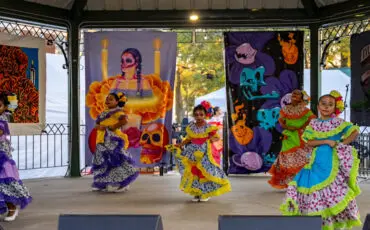
Singing songs and dancing build language and memory
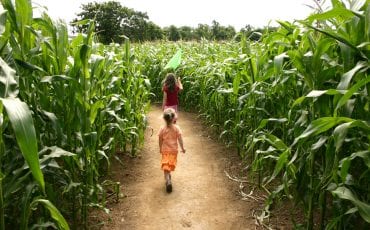
Outdoor play strengthens physical development and coordination
Puzzles and games encourage thinking and patience
No matter the activity, remember to keep playtime relaxed. After all, there’s no “right” way to play.
– Tali Benjamin