

Get a Hobby, Mom! Why Having a Hobby Matters
 Somewhere between school drop-offs, work deadlines, activity schedules and everyone asking, “What’s for dinner?” it’s easy to lose track of what you actually like to do. Hobbies can feel like one more thing on an already-too-long list, but they’re not a luxury; they’re a chance to reconnect with a part of yourself that exists beyond being a mom.
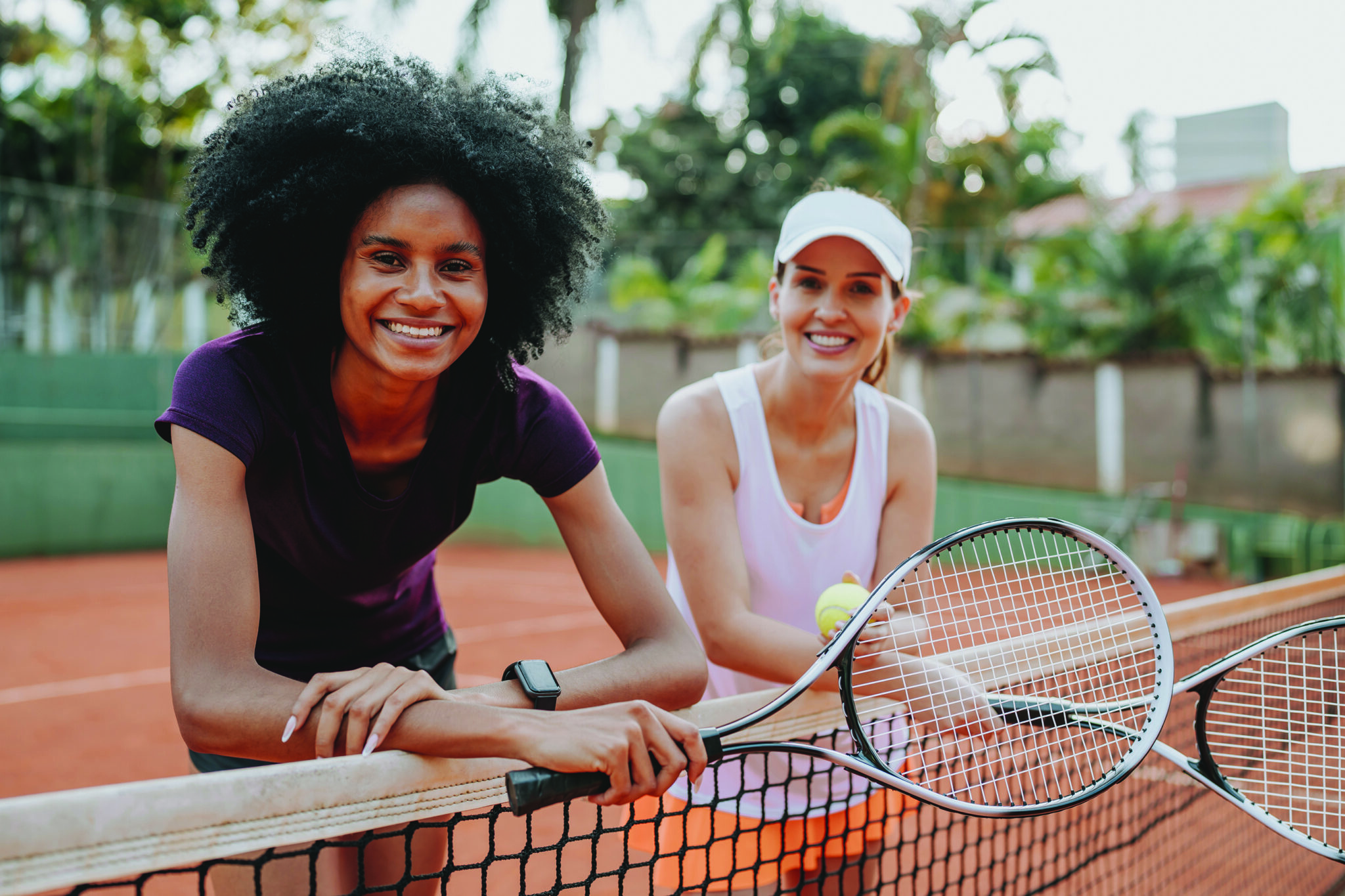
Whether it’s painting, tennis, gardening, reading, dancing or finally learning that thing you’ve always wanted to try, having something that’s just for you can bring joy, energy and a much-needed sense of identity. Being a great mom means finding balance between me-time and family time.
Creating Time for Yourself
Life is busy and life as a mom can be even busier, but carving out time for yourself is more important than you may realize. Hobbies do just that. “There are ways to create dedicated time and space to do something that you like, that is enjoyable, that is relaxing or fun,” says Kelsey Mizell of Atlanta-based Like A Mother Counseling and mom to a 5 year old. “Moms need and deserve this space.”
According to the Gender Equity Policy Institute’s Free-Time Gender Gap study, women across almost every group surveyed have less free time than men to socialize, relax and pursue their interests and hobbies.
Often, every family member but mom has a hobby. Dad plays golf or watches football with his buddies. Little Johnny plays baseball or goes to piano. Susan takes ballet or runs track. “Everyone should have something that is just theirs,” says Mizell. “It’s not selfish. It’s regulation; it’s compassion.”
Hobbies create moments that are restful and fun, that give your mind a break from the daily grind. Moms need that time to be an individual just as much. “Women are often socially conditioned to caretake for others, and as such, moms and society as a whole tend to forget or dismiss that parenting is work,” says Mizell. “The concept of a hobby or interest is less about the specific thing that someone chooses to do and more about creating space where you can find rest and pleasure.”
While an important element of hobbies is self-connection, it can also be very beneficial for hobbies to create connection with others. “Go for walks with neighbors, or join a coffee or book club with friends,” says Mizell. “These interactions are imperative to health and well-being, especially when you have the experience of motherhood in common and can be supported in an accurate and authentic way.”
 Getting Started
Sometimes the first step is the hardest, but don’t overthink it. “Start by making a list about things that feel good, restful or enjoyable,” says Mizell. “There’s no limit to what you put on the list, big or small.” For example, your list can be: I love drinking coffee, I enjoy quiet in the house, I like running, Reading is fun. She recommends adding to your list as much as you want.
“Whatever you choose to do with your hobby time doesn’t have to be particularly active or intense,” says Mizell. If 10 minutes on the porch enjoying nature is all you have time for right now, enjoy it. “Start small and increase by increments as it feels good, which it will,” she says.
Having a hobby doesn’t mean it has to take over your life or that you will become an expert. Don’t let concerns prevent you from exploring hobby options. “Enjoying what you’re doing is the first goal,” says Mizell.
If you’re worried that you may not be good at something, choose a different hobby. “Alternatively, if you enjoy learning and challenging yourself, then a harder choice might make more sense,” says Mizell.
“If you’re worried about a time crunch, choose a hobby that doesn’t have an explicit time to start or finish like reading, doing puzzles or going for walks.”
Managing Mom Guilt
If the dreaded feeling of guilt arises, acknowledge it. “I empower women to see guilt as a protective part of their system that is trying to redirect focus back to motherhood or parenting,” says Mizell. “Use it to remind yourself that as much as your child needs to be taken care of, so do you.”
Moms often think that every moment of free time should be spent with their child, but that is not the case.
Mizell recommends setting boundaries to protect well-being and mental health. “Boundaries are about what we do, not what others do,” she says. “So, create and keep the time and space you can dedicate to a hobby.” Like parallel play in a Montessori classroom, you can model for your children how to dedicate themselves to something they like to do while you explore your interests, too.
“The other boundary is remembering that if guilt or anxiety arise, that discomfort is just a signal of doing something new or different, it is not indicative that having a hobby is bad,” says Mizell. If the guilt becomes too heavy, she recommends seeking help from a therapist.
Having a Hobby Benefits Your Kids, Too!
Believe it or not, taking time for yourself has other advantages:
- Kids learn that adulthood includes interests and identities beyond parenting.
- Independence and problem-solving skills grow in the unstructured time.
- Constant togetherness can create pressure.
- It models healthy boundaries.
- You may actually become a more interesting parent.
- The time you spend together will be more enjoyable because you feel more fulfilled.
– Tali Benjamin