
The Dirt on Compost: A Beginner’s Guide to Composting in Atlanta
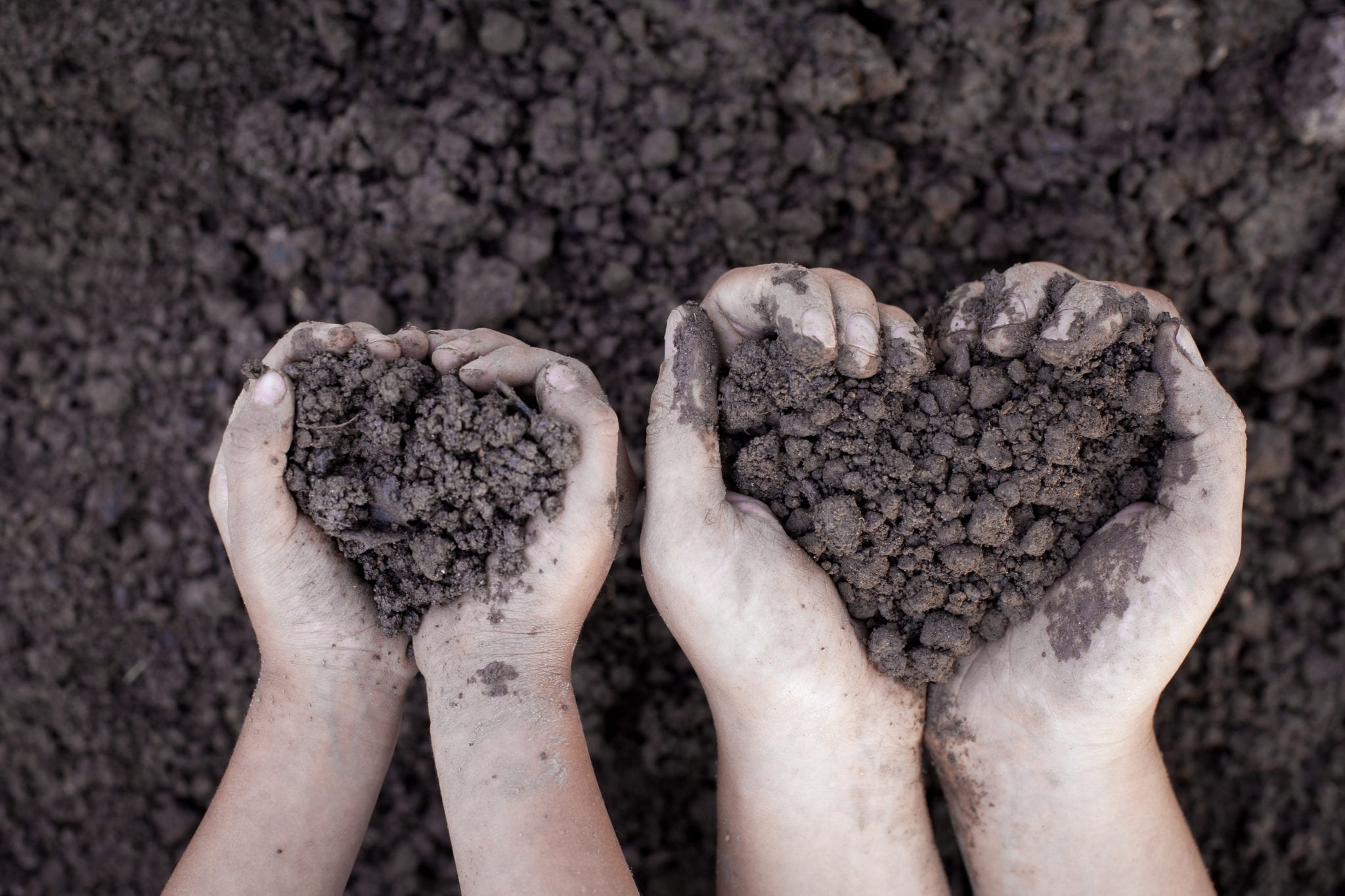
Composting is nature’s way of recycling. You can reduce your food waste, help your garden and play a little part in saving the planet.
The Power of Composting
Compost is the result of the natural decomposition process and is a nutrient-rich material.
“When something is thrown away, that doesn’t mean it disappears. Composting turns trash into treasure for gardeners and the environment, so why do we bury so much in landfills where nothing beneficial will ever come of it?” says Alan Ashe, Greenspace Director at Wylde Center.
Food waste estimates are 30%-40% in the U.S., according to the U.S. Department of Agriculture. Food takes up the most space inside U.S. landfills at 22% of municipal solid waste (MSW), According to Recycle Track Systems.
“Composting is something we can do easily as an individual to heal a broken food system,” says Chloe Weatherington, Food Well Alliance’s Urban Agriculture Project Manager. “With compost, you’re turning food waste back into local soil and returning nutrients that might be lost. Composting shows the cycle as it should be in a healthy and connected system.”
Composting reduces waste traveling to landfills. It also uses yard trimmings and landscape refuse, which the Environmental Protection Agency estimates is 12% of MSW generation.
“Composting reduces the number of times you have to take out the trash, makes your trash less stinky and provides a free soil amendment that you can add to improve soil quality. These things ultimately save you money on garbage fees and garden amendments,” says Gabrielle LaTora, Agriculture & Natural Resources Agent with UGA Extension Fulton County.
Lauren Galucki Hoade started composting during the COVID-19 pandemic, as she became more aware of how much trash her family was making. Now, the family has containers by the trash for sorting scraps, an outdoor bin and a tumbler.
“By changing this behavior, I’m hoping to teach my kids something they can do their whole lives no matter where they live,” Galucki Hoade says. “It’s beneficial for everyone, and I’m helping them take care of this planet, so they have a beautiful place to live.”
The Basics for Beginners
Homeowners can compost right in their backyard.
“The first step for a household interested in composting is to consider their space, how much time they have to spend and how much physical labor they want to do,” LaTora says. “There’s usually a trade-off between labor and time: the more labor-intensive the method, the faster food and lawn scraps turn into compost.”
If you don’t have the space to compost at home, businesses offer pickup services, such as CompostNow. Curbside pickup services eliminate the challenges of managing pests and the odor of food scraps inside and outside of your house. CHaRM, with two locations, accepts compost. Wylde Center’s Compost Club allows members to drop off their scraps and members are able to collect the finished compost to be used on their gardens at home. Your city may offer pickup or drop-off services, or your community garden may take scraps.
Composting DIY
Organic matter when you compost is often referred to as browns and greens. Browns are usually brown materials — cardboard, leaves, sticks and paper scraps — and provide carbon, absorb extra moisture and provide structure to your compost. Greens are the nitrogen source, such as food scraps, lawn scraps or garden waste.
With pile/heap composting, throw browns and greens together in an enclosed bin. Tumblers make it easy for you to turn your compost. Along with greens and browns, composting needs microorganisms, moisture and oxygen.
“A compost thermometer is a helpful investment that you can use to check the temperature. The interior of a compost pile needs to be warm. That is how the magic happens, turning plant scraps to a stable, soil amendment,” LaTora says.
There may be some common issues with your pile at the start. For an unpleasant odor, add more browns, or turn the pile more often. To deter pests, cover food scraps under a layer of browns and use a bin with a tight-fitting lid. Placing the compost bin away from a wall will also help deter pests.
“People overthink it and are stressed about doing something wrong. If you’re interested, just do it. You’re only going to learn by doing. Always start small, and work your way up,” Weatherington says. “Even if you add things that aren’t typically recommended, you aren’t ruining anything. Decomposition happens on the forest floor, just like it happens in a compost pile. It might take longer, but nature is to going to break it down.”
At the end of the process, compost is ready when it is dark, crumbly and has an earthy smell. You can use it as a soil amendment, mulch or potting mix.
For more information, check out extension.uga.edu, letsgocompost.org, wyldecenter.org, foodwellalliance.org, georgiarecycles.org and epd.georgia.gov.