
Baby Steps to Practicing Yoga: Prenatal Yoga Classes
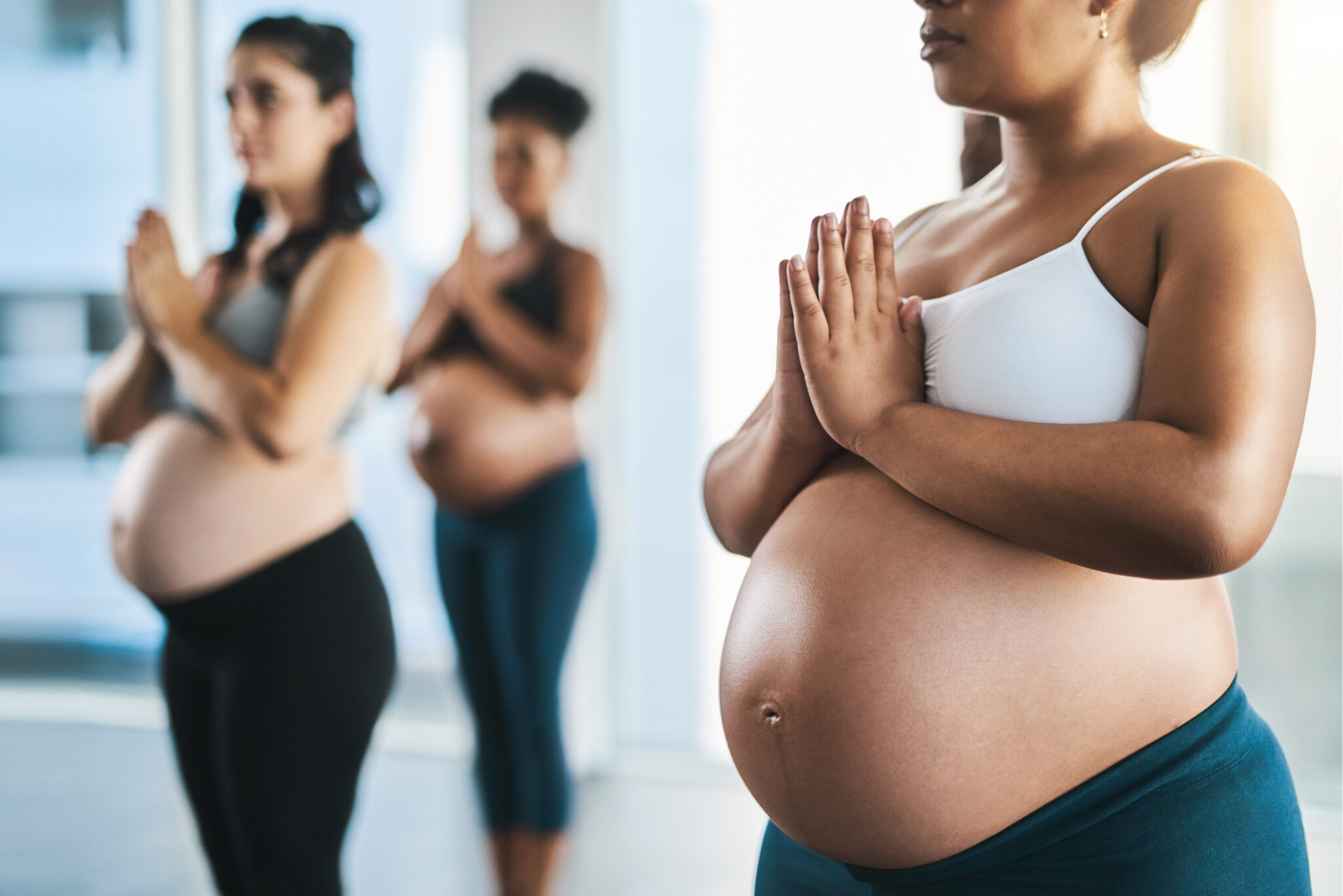
Do you find the idea of starting yoga intimidating? Prenatal yoga offers mental, emotional and physical benefits and allows you to take time for yourself. Best of all, classes are often full of beginners, so you’ll be in great company.
New in Class
For many, a prenatal class is their first experience with yoga, says Jasmine Bradfield, a yoga instructor, midwife and women’s wellness specialist at The Yoga Hive. Her Atlanta Birthwork program focuses on prenatal, women’s and family yoga. “I explain the bonding experience with you and your baby. It can make it more memorable if you’re mindful. It’s the beginning of a new phase of life and the beginning of a life, so when you think of it that way, you’re inspiring two people to start yoga.”
Because every participant’s body and pregnancy is different, there isn’t a one-size-fits-all approach. Embrace a beginner’s mindset. Find what works best for you, and build your practice around that.

Lauren Shields
“You cannot be good at yoga; you can only practice yoga,” says Lauren Shields, a yoga teacher, doula and the CEO and founder of Intentionally Embodied Birth. “If you are new to yoga, try to be open to being a student and not trying to master the practice.”
For a yoga newbie, you may have a hard time connecting to your mind. “Let your mind be what it is. Its job is to think,” Shields says. “The practice is just to become aware that your mind is making a grocery list, and then, bring yourself back to your body and breath. Over time, you’ll notice that your mind is less distracting, and you are more in control of how much attention and power you give to your thoughts.”
The Benefits of Prenatal Yoga
Asanas – poses or postures – build strength, improve flexibility and release tension. Yoga may help you improve your posture, balance and stability, helping you adapt to your body’s physical changes and shifting center of gravity. Yoga can also improve sleep, relieve stress, boost energy levels, increase stamina or reduce depression.
Prenatal yoga may be effective in reducing labor pain, improving birth outcomes and preparing for birth by strengthening your muscles.
Bradfield hosts a six-week series of classes. “In a one-hour class, we start in meditation. You start to gather and center yourself, and then, you transition to active movement if you have the energy before making your way back down to floor. Birth gets intense, so we practice movements you can do in the birthing space, so you don’t leave with Charley Horse or back cramps.”
Cultivating a mind-body connection can help you navigate pregnancy and childbirth.
“I want students to feel connected to their own internal power to move through life’s most challenging moments,” Shields says. “Similar to a fire drill, you don’t talk about how to respond and then wait for a fire to practice your plan. You practice in a calm setting, so you are mentally and physically prepared to use the skills in your toolbox. I wanted to create space to talk about each stage, the energy we need and to breathe, move and practice consistently, so our bodies remembered the way.”
A balanced routine includes poses, meditation and breath awareness. Listen to your body and make sure you can breathe comfortably.
“Meditation and mindfulness are tools I wish all expectant and new parents had access to,” Shields says. She’s a mother of three. “Mindfulness has given me the awareness that my kids are growing so fast, and the challenges require me to be present to develop the skills I need. I can stop and be aware of my own limiting beliefs about myself and motherhood, breathe into my body, slow down the feelings of urgency, and give myself the grace to grow. This practice gives us the tools to be present in all the feelings that come up.”
Practicing yoga helps to slow down your heart rate. Your breathing becomes deep and rhythmic, which can reduce stress hormones. Learning relaxation techniques can help you through labor, birth and motherhood.
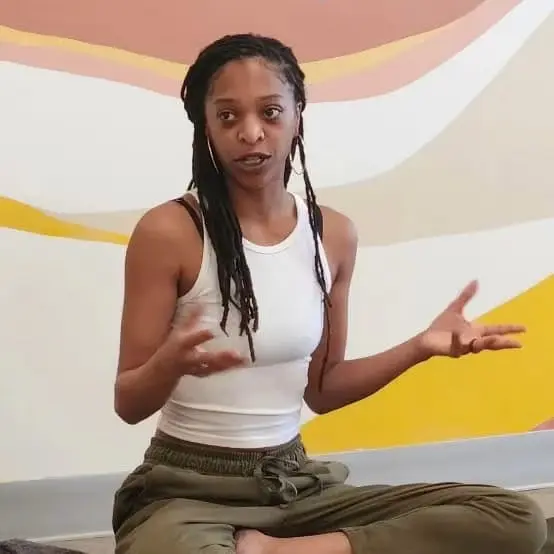
Jasmine Bradfield
Connecting to a Community
Attending a class will put you in contact with other women who are dealing with the physical and emotional changes of pregnancy.
“I love seeing the ease on the women’s faces. They may come in hustling and bustling with more weight, more thoughts and more worries, but they can see there’s other pregnant women who’re going through the same thing,” Bradfield says. During the first class, she asks which trimester the students are in, encouraging them to look at their fellow participants to see where they’re at in the cycle. “It can help to see someone going through the same thing and reduces your anxieties.”
The environment allows you to connect with others who are entering this phase of life. “Pregnancy feels like isolation in some ways,” Bradfield says. “Yoga classes create a sense of community and reduce isolation. If you’re looking for somewhere to land and a community, you can find that here.”
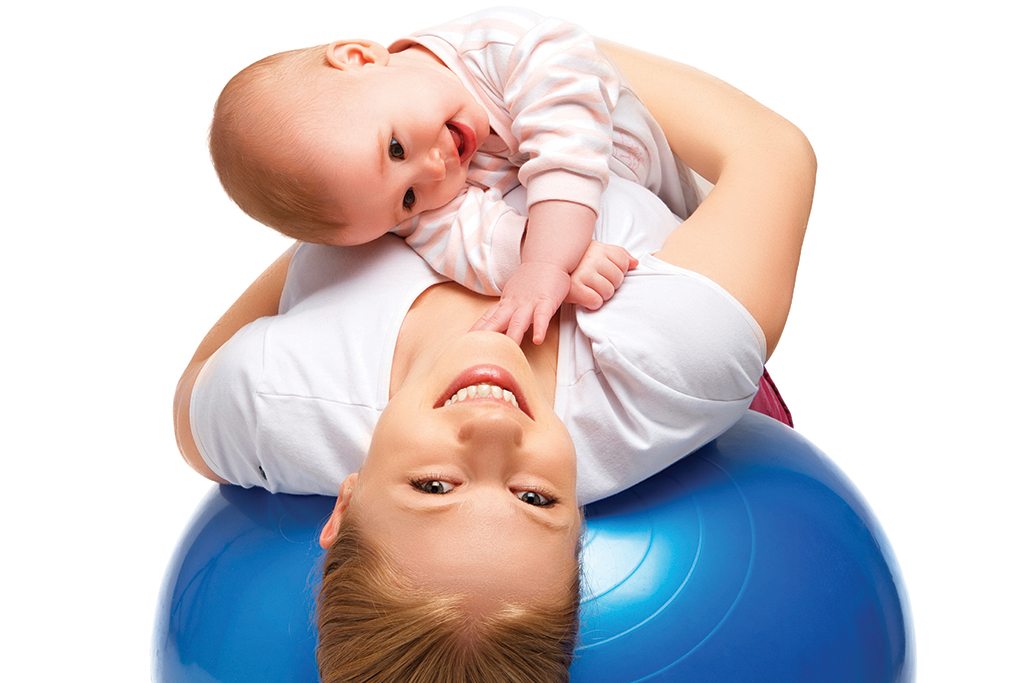
After birth, you can continue practicing yoga with the right guidance. Postnatal yoga supports recovery and provides comfort during the transition into motherhood.
“My postpartum yoga focuses on giving new mothers space to explore their body without expecting an outcome, like losing weight or snapping back into shape. We can prioritize self-care without taking anything away from babies,” Shields says. During her own postpartum experience, she recalls feeling disconnected from her body. “The disconnect I have felt is something I see frequently in my students. My students feel the societal pressures and approach birth and motherhood like mastering a skill when it’s truly an opening to a deeper understanding of ourselves and humanity. My own personal experiences with birth and motherhood help me to offer my students permission to slow down, speak up, make choices for themselves and their families, release shame and feel proud of the beautiful work they are doing, both seen and unseen.”
Creating bonds with other parents will serve you throughout your parenting experience. “Pregnancy, birth and postpartum are far too difficult to be experienced in isolation,” Shields says. “We have to build the village we are looking for and learn practices to support our well-being in order to thrive.”