
Artlanta: A Mecca for the Arts
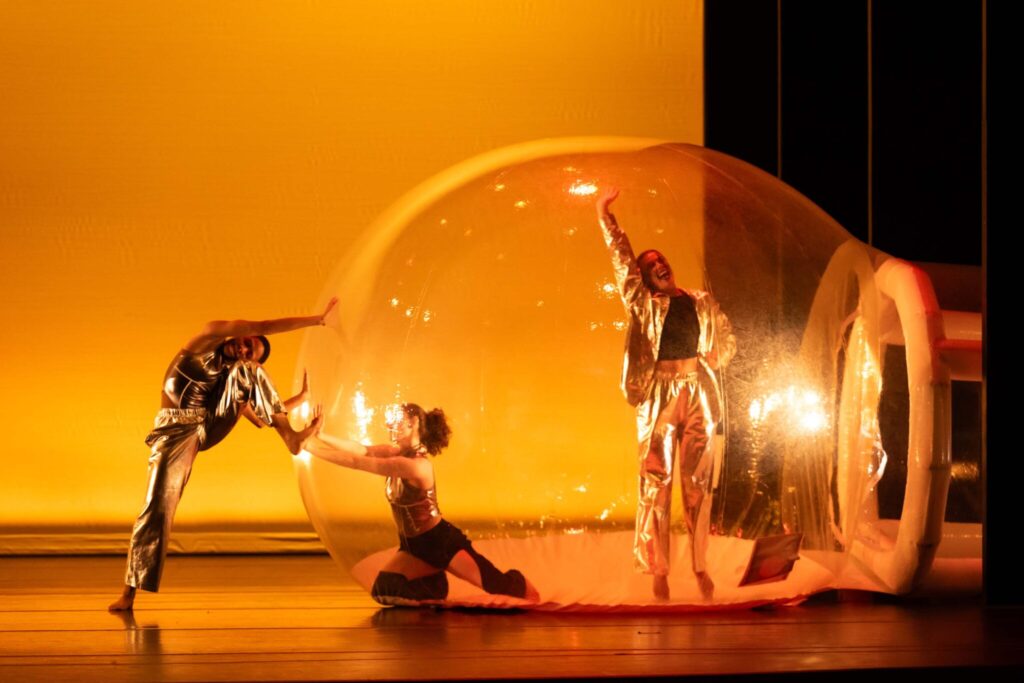
Dance Canvas
Metro Atlanta connects students to an incredible arts community, no matter where their passions might lead. With an abundance of arts opportunities and arts programs, schools can use these connections to bring in guest professionals, provide exposure to careers, watch performances and explore behind-the-scenes stories.
“The Atlanta area offers more opportunities than most people realize. The metro area is an artistic and culturally rich area with a multitude of organizations to engage anyone at any age and background,” says David DuBose, the Director of Fine Arts at Gwinnett County Public Schools. “Many people do not realize the outreach that all our arts organizations and entities have for our community. Our community organizations want to get the arts into the hands of our children and students and into the community in general.”
School programs allow students to gain an appreciation for the arts. Atlanta Music High School is the metro area’s only independent music conservatory. The Galloway School offers fine arts programs from PreK3 to 12th grade. DeKalb School of the Arts combines academics and arts to create competitive artist-scholars. The list goes on and on.
North Metro Academy of Performing Arts (NMAPA) integrates academics and performing arts to address the needs and interests of each student. “We’re exposing our children to the arts and preparing them with the academic knowledge and skills they need. It doesn’t have to be one or the other,” says Principal Monique Lee. “The arts are integrated to provide that foundation to develop their interests early, so they’re ahead of the game in high school, college and career.”
Arts-focused programs allow students to connect with the community. For example, students at NMAPA create art projects and performances for local events throughout the year, such as Norcross’ Art Splash Festival and Peachtree Corners’ Holiday Glow.
“The arts contribute significantly to many aspects of community and economic development, in addition to the individual lives of those who create or appreciate them,” says Emily Yewell Volin, Georgia Council for the Arts’ Grants and Arts Education Program Manager. “Arts organizations play a large role in tourism, attracting people who want to experience unique events and bringing people from different communities together. Arts events can help revitalize downtowns and create vibrant communities where businesses want to locate.”
Educational programs involving the arts also give students more hands-on learning opportunities.
“Students want to have fun when they learn. We’re competing with computer technology, social media, automation. They get bored if they’re not doing something fun,” Lee says. “They learn by doing, by problem-solving and by working with others.”
With arts integration, students can explore math concepts through rhythm or learn about history or historical figures through theater. “When the arts are woven into the core of instruction, learning becomes more meaningful and memorable,” says Pamela Walker, ArtsNOW President and CEO. “The arts make learning come alive, and students remember what they learn because they experience it.”

North Metro Academy of Performing Arts
Theater is an excellent way for students to see the arts in action. Schools can connect with a field trip, bringing in a production or even staging their own performance or musical.
The Alliance Theatre produces developmentally appropriate shows each season, and their Theatre for the Very Young features interactive programs designed for ages 5 and younger. “Those productions are offered as field trip experiences, or we can tour them into a school or a building,” says Olivia Aston Bosworth, the Dan Reardon Director of Youth & Families at Alliance Theatre. “That breaks down multiple barriers — cost, time, travel. We want to engage in a way that is easiest to schools.”
The Alliance Theatre Institute partners with districts and schools, including Atlanta Public Schools, Marietta City Schools, Coweta County and others, to elevate arts education.
“Schools are facing so many challenges right now. Students are dealing with mental health and learning recovery from COVID, and less than 30% of third graders in the Atlanta area are proficient in reading,” says Rebecca Pogue Fields, the Head of Elementary School Programs at Alliance Theatre. “Arts and arts instruction improve student learning and teacher practice. When arts are integrated, they can have lasting impact. Field trips have social, emotional and academic benefits. The arts add value. They add brightness and color, but they also have a real impact on students.”
Research conducted through the Woodruff Arts Center’s Multi-Visit Program showed students who attend multiple arts field trips have higher levels of social-emotional skills, higher test scores, a higher desire to consume arts in the future, higher levels of tolerance, greater conscientiousness, fewer absences and fewer behavior infractions.
“Our field trip programs are tied to school curriculum,” Pogue Fields says. “Our programs are very flexible, and they meet the needs of schools and individual classrooms. We strive to be accessible to everyone, whether you’re a parent, caregiver, teacher or student. We want you to feel welcome, no matter how you want to explore the art form.”
Arts engagement can help students think about their future career and meet professionals.
“There’s so many interests and areas in the arts,” Lee says. “Atlanta has a huge film industry, and not everyone involved is on the stage or in front of the camera. It’s a benefit educationally to set the foundation for any area students decide they want to go into.”
The state of Georgia has distinguished the economic importance of arts-focused careers. “The arts are recognized as one of the state’s most in-demand fields for employers, and jobs like graphic designer, video editor, special effects artist and musician are listed on Georgia’s High Demand Career List, created under Governor Brian P. Kemp as part of his Top State for Talent initiative,” says Yewell Volin.
The National Association of Colleges and Employers’ Job Outlook 2025 survey indicated nearly 90% of employers are interested in a hire’s ability to solve problems, and nearly 80% seek candidates with strong teamwork skills.
“Soft skills are essential skills. They form the foundation for success in every field,” Walker says. “A student who can listen, create and think critically will thrive in any environment. Whether they choose business, healthcare or computer science, these human-centered skills are what truly prepare them for the future.”
Even as a student, a child can tap into entrepreneurial potential. “This is something you want to do for fun, but did you know you can sell your drawing or graphic images?” Lee says. “You can get people to buy your product or hire you to play at events, and that’s an entrepreneurial way to sustain yourself.”

ArtsNOW
The Benefits of an Arts Education
Incorporating arts learning in a child’s education teaches a student valuable skills.
Stronger Academics
A National Endowment for the Arts study found that eighth graders who had high levels of arts engagement throughout elementary school exhibited higher test scores in science and writing, and students who had arts-rich experiences in high school had higher GPAs.
Imagination
A study in “npj Science of Learning” found that arts participation leads to a greater capacity to manipulate abstract or theoretical concepts, which helps students learn theoretical frameworks as they age.
“When students engage through the arts, they are not limited by right or wrong answers,” Walker says. “They can show what they know in ways that feel natural to them. This helps them build confidence and emotional awareness while learning academic content.”
Leadership
Creative learners learn how to take the lead and share their ideas.
“Students who study the arts as a core subject become tenacious and engaged problem-solvers. These skills are transferable to professional and personal goals,” Yewell Volin says. “The ability to think creatively is valued by companies that want to hire people who can think outside the box.”
Resilience
Students make discoveries by trying, and as part of the creative process, they fail more than they succeed. This teaches them not to give up and that making a mistake is a natural part of learning and of life.
“Students engaged in the arts learn to observe closely, express themselves clearly and approach challenges with imagination and resilience,” Yewell Volin says.
Responsibility
Managing project deadlines, memorizing lines, learning the fashions of the time and maintaining a portfolio — organizing these tasks create students who can handle all levels of responsibility.
Collaboration
Being part of a cast, band, chorus or art show forces students to work together, building teamwork skills.
“The arts build skills every student needs, like communication, collaboration and creative problem-solving,” Walker says. “These are the skills employers want most today. Technology and workflows change constantly, and companies know they can train new employees on tools and systems, but they cannot easily teach curiosity, adaptability or empathy.”
Empathy
The arts are the perfect outlet for exploring someone else’s motivations, emotions and perspectives. The arts create a foundation of understanding for a people or a time period students may not have familiarity with.
Children develop social-emotional skills, such as helping, sharing, caring and empathizing, and there is evidence that arts participation during early childhood builds these skills.
“Students are more empathetic and more connected. We’re scrambling for those outcomes for our young people. The arts help,” Aston Bosworth says.
Respect
In the 21st century, the world is more accessible, and arts education helps students understand other cultures.
“Part of our mission is exposing our students to cultural opportunities. We celebrate different cultures through the arts. We’re connecting to the social and human piece,” Lee says.

North Metro Academy of Performing Arts
Appreciation
Students know the dedication it takes to create art.
“Appreciation for the arts teaches us how to find meaning and connection,” Walker says. “The arts remind us what it means to be human, especially with the rise of AI and computer-generated content. They help students pause, reflect and see the world through another person’s eyes.”
Personalized Education
Students are able to explore what they’re interested in and express themselves in different ways.
“The arts reach every learner. They meet students where they are and give each one a way to shine,” Walker says. “I’ve seen quiet, shy students come alive through theater. I’ve watched nonverbal students express themselves through movement and dance. Some children find understanding in color and design. Each art form connects in a different way, and that’s what makes arts education so powerful.”
Confidence
Learning to perform and speak in front of others gives students the confidence to present themselves and their ideas.
“When students learn through the arts, they practice flexible thinking, persistence and reflection. They learn how to approach challenges with confidence and creativity,” Walker says.
Community
Students get to be around others who share their passion, and they have the opportunity to cultivate relationships with mentors.
This interest in community follows learners outside of the arts. A National Endowment for the Arts study found that young adults who had arts experiences in high school are more likely to show civic-minded behavior and take an interest in current affairs.
Engagement
When students learn through hands-on activities, they are more likely to be interested in the subject matter.
“The arts engage our students by having them express themselves at an early age,” Lee says. “We provide them with a way to learn the content in collaboration with the arts. We’re also engaging their families. Parents and families attend events where their students are performing or displaying talent, which just continues to engage our students.”
Happiness
A “Frontiers in Psychology” study found aesthetic experiences may promote well-being, as they can activate the reward-related areas in the brain.
“Research shows the arts are good for our mental health. They can help us relax or stop to take a mindful moment,” Lee says.
Explore the Arts
Check out these local resources for upcoming events and ways to engage as a family.