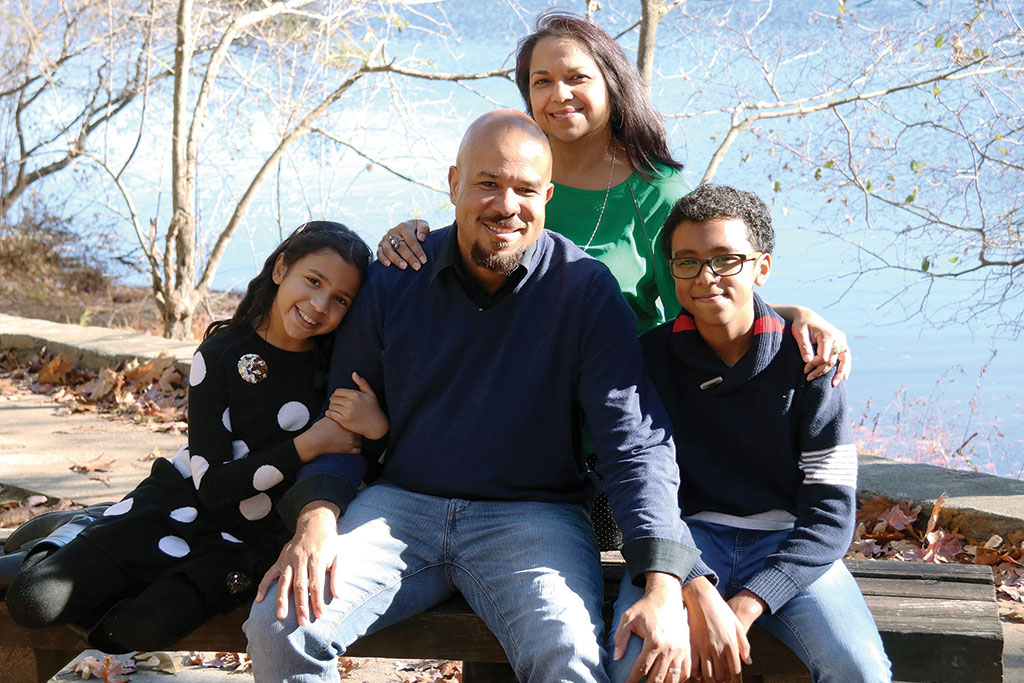

Beyond Playdates: The Power of Parent Friendships

Making friends with other parents has some obvious benefits — carpooling, borrowing clothes or age-appropriate supplies, easy playmate for your child. While these logistical wins aren’t anything to ignore, there are some truly meaningful ways friendships with parent peers can impact your life.
Validation and Advice
Parents who are in the same phase of life can help normalize your experience. You can seek advice for potty training, sleep deprivation, how to handle tantrums, navigating puberty and more. You can also ask “Is this normal?” and get answers from people who are also in the thick of it. Exchanging stories can give you a moment to breathe and remember that you are not alone. Plus, you might learn a helpful hack that you can pass on to others.
Emotional Support
Just like work friends understand things, such as the toxic energy of a certain co-worker or quirks of a supervisor without explanation, with peer parent friends, you don’t have to translate your life. They already understand the exhaustion, the guilt, the joy, the overwhelm. This can make conversations deeper, less draining and more impactful.
Space to Be You
Parenting can shrink your world and identity quickly. Peer friendships give you adult connection and remind you you’re still a whole person — not just a caretaker. As you navigate the phases of parenthood, your sense of self can feel in flux. You may wonder, “What am I beyond a parent?” Good parent-peer friendships move past kid talk into values, humor, fears, ambitions, which can be grounding when you need it.
Permission to Be Imperfect
Fellow parents can make you feel more comfortable showing up without makeup or in the same sweats two days in a row. You know their kids are melting down just like yours or that your house is a mess because you spend six hours a day driving kids to and from school and activities. Knowing you are in the same boat makes it easier to drop the performance and feel less pressure to “do it right.”

Creating Connections
Now you know why it’s important to foster friendships with fellow parents, but sometimes it’s easier said than done. Here are some tips for building these new relationships.
- Don’t expect an instant click. Friendships with parents are typically built on seeing the same people over and over. Good places for finding those who might be a good fit are school pick up or events, sports practices, library storytimes or programs, regular playground visits at the same times and days.
- Use an easy conversation starter. Parents are surprisingly open to small talk if you keep it simple. Try questions like “How old is your kid?”, “Is this their first year here?”, “How are you finding this stage?”. Talking to another adult can be just what someone needs at that moment and by taking the first step, you might make a new friend.
- Name the awkwardness. Often, being honest about your intentions makes everyone more comfortable. Say, “I’m trying to meet other parents — this always feels awkward to me.” Even if you’re shy, own it with something like, “I don’t really know anyone yet, so I’m forcing myself to say hi.”
- Make low-threshold invitations. Don’t start things off with meeting up for lunch or inviting them over. At the playground try, “Our kids seem to get along. Want to swap numbers?” At practice or dance class, opt for, “We’re grabbing coffee when this is over. No pressure.” Follow-up after the initial hang out, but don’t be offended if they don’t immediately respond. And don’t be afraid to try more than once.
-Tali Benjamin