
The Creative Edge: How Arts Make Kids Smarter
In a highly competitive world that places a huge premium on easily measured achievements, creative arts are sometimes considered an extra for which there is not enough time or money. However, research indicates that the arts are every bit as beneficial to brain development and learning as traditional academics. Here’s a look at some of benefits of exposing your child to the arts.
Teachers have always intuitively known that the arts increase academic performance, behavior and attendance. Recent brain research confirms their theory, with evidence that the arts boost memory, intellectual curiosity and self-esteem.
In its published study, “Champions of Change: The Impact of the Arts on Learning,” the Arts Education Partnership says, “When well taught, the arts provide young people with authentic learning experiences that engage their minds, hearts and bodies and nurtures the development of cognitive, social and personal competencies.”
Skills That Power Future Success
There’s often an assumption that a significant investment in the arts is a financial loss. Sure, it’s nice to have an artistic child, but having a successful, employable child has to be the real goal.
Fortunately, it is possible to have all three, because exposure to the arts develops skills that will be highly valued in the future. The evolving workplace rewards creative thinkers who can generate innovative and original ideas in a variety of media.
Former U.S. Department of Education Secretary Richard Riley has said, “If young Americans are to succeed, they will need an education that develops imaginative and tough-minded thinking. The arts powerfully nurture this ability over other areas of learning.” Better still, in a global world that is becoming more diverse, exposure to the arts helps children appreciate different points of view.
Yet, while the arts open a world of possibilities to a child, they also give him a greater sense of himself. While enjoying artistic experiences, children are stripped of pretenses and self-consciousness. As a result, they develop an awareness of, and appreciation for, their unique individuality.
“One thing I’ve learned over the years is that every great artist — whether in music, writing or any creative field — isn’t trying to conform to a genre,” says Atlanta-based pianist Joe Alterman. “They’re just trying to express who they are: a blend of everything they’ve felt and absorbed, stirred together in their own blender.”
Simple, Low-Cost Ways to Add More Art
Exposing a child to the arts need not be time-consuming, difficult or expensive. Most communities offer enhancement programs at little or no cost. It is also very easy to reinforce concepts at home.
Music: Listening to, singing and playing music has an undeniable effect on reasoning, language, math and social behavior. Exposure to music can actually form new, permanent connections in a child’s brain.
Parents can easily play or make music at home, but don’t be afraid to take your child to the symphony. Many offer child-friendly matinees and instrument “petting zoos” that expose a child to different instruments and sounds. It’s fun to watch a child’s reaction when he instinctively gravitates toward an instrument.
Creative Drama: This category can include dramatic role-play, story enactment or viewing live theater. Exposure enhances a child’s imagination, builds their self-confidence and improves memory and reading skills. Drama students also learn to comfortably express their emotions in a group setting, a skill that becomes important as they approach adulthood.
At home, encourage pretend play. Consider a family talent show to allow even shy children to shine in the safety of their own home. Check out local theater offerings, even at local high schools, that are specifically for kids.
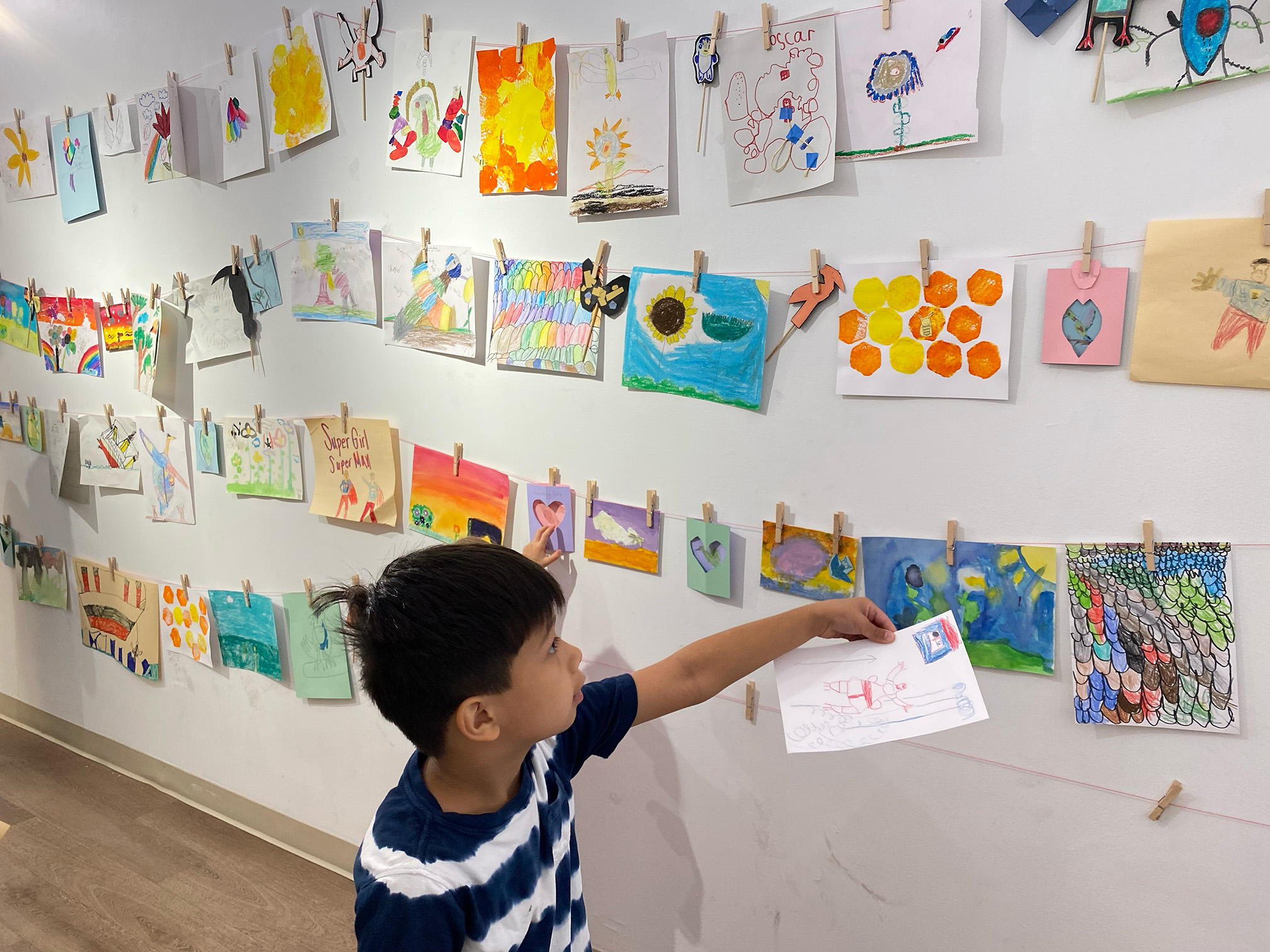
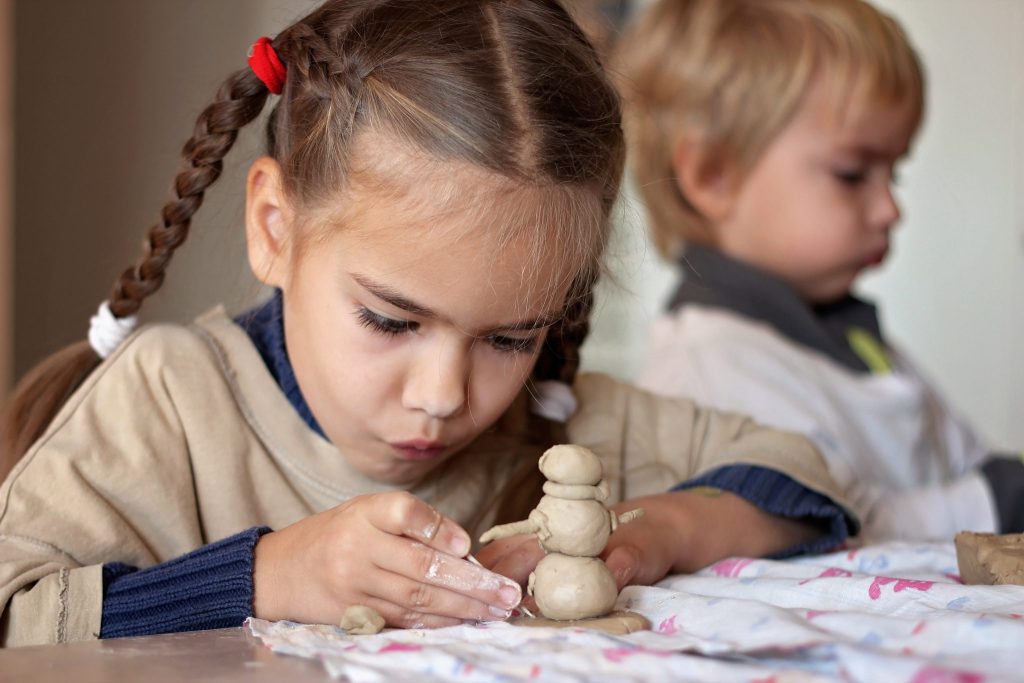
The Visual Arts: Exposure to painting, drawing, sculpture, photography and architecture helps develop a child’s fine motor and critical thinking skills. “Exposing kids to different mediums is good, too,” says Roswell mom Sheri Gushta. “You never know what they will like or what they may have a talent for if they don’t try it out.”
It’s easy to encourage visual arts at home because kids love to draw, sculpt and build. Allow kids to use an old phone to take photographs and then choose one for framing. Look for family nights at your local museum and ask your child to describe what he likes about his favorite pieces.
Literary Arts: Exposure to or creating written works, poetry and narratives encourages self-exploration and intellectual curiosity. Despite geographic or socioeconomic barriers, literature can teach kids to appreciate the opinions and differences of others while also recognizing and honoring their own abilities and backgrounds.
Literary reading is in a steep decline, with the most dramatic drop-off happening in the youngest age groups. Consider reading the classics as a family. “Swiss Family Robinson,” “Through the Looking Glass,” “Treasure Island” and “Little Women” are popular choices.
-Shannon Dean